
Domestic abuse is not always physical violence. It can also include:
- Coercive control and ‘gas lighting’
- Economic abuse
- Online abuse
- Threats and intimidation
- Emotional abuse
- Sexual abuse
- Non-fatal strangulation (including being choked or throttled)
Domestic abuse can occur in anyone’s family/partner relationship, regardless of culture, ethnicity, age, gender, sexual orientation, disability, religion or social class.
- Being withdrawn, or being isolated from your family and friends
- Having bruises, burns or bite marks on you
- Having your finances controlled, or not being given enough to buy food, medication or pay bills
- Not being allowed to leave your house, or stopped from going to college or work
- Having your internet or social media use monitored, or someone else reading your texts, emails or letters
- Being repeatedly belittled, put down or told you are worthless
- Being pressured into sex or sexual contact
- Being told that abuse is your fault, or that you’re overreacting
Both men and women can be victims of domestic abuse with 1 in 4 women and 1 in 7 men being a victim of domestic abuse in their lifetime.
What should I do if I am or someone I know is in an abusive relationship?
Tell a member of ULTH staff who can support you.
If a crime has been committed or someone is in immediate danger you should call the police on 999 (or 101 if not urgent). If you cannot speak and are calling on a mobile, press 55 to have your call transferred to the police.
Free, confidential support and advice is available to victims and their concerned family members or friends, 24 hours a day.
LDASS (previously EDAN Lincs) – 01522 510041 or edanlincs.org.uk/ldass
National Domestic Abuse Helpline – 0808 200 0247
National Stalking helpline – 0808 802 0300
Paladin Service (Stalking Advocacy Service) – 020 386644107 or paladinservice.co.uk
Mankind – 01823 334244
GALOP – Advice line for LGBT+ Domestic abuse – 0300 999 5428
Karma Nirvana – for forced marriage and honour-based abuse – 0800 599 9247
Safe spaces are available in Boots, Morrison’s, Superdrug, Pharmacies and TSB banks. Many of the Safe Spaces are prepared to respond to the ‘Ask for ANI’ code word, to provide victims with a safe and discreet way to access specialist domestic abuse support services.
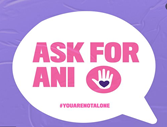 ANI stands for Action Needed Immediately.
Concerned someone has a violent past?
If you are concerned that a new, former or existing partner has an abusive past, you can ask the police to check under the Domestic Violence Disclosure Scheme (also known as ‘Clare’s Law’). This is your ‘right to ask’. If records show that you may be at risk of domestic abuse, the police will consider disclosing the information. A disclosure can be made if it is legal, proportionate and necessary to do so.
People also have the ‘right to know’. If you are concerned about a friend or family member, you can apply for a disclosure on behalf of someone you know. ‘Right to know’ can be triggered on your behalf by professionals if they have concerns you may be at risk of experiencing domestic abuse.
You can make a request to the police for information about a person’s previous violent offending in person at the police station, by calling 101 or online at lincspolice.uk/clareslaw
Support agencies and services including hospital staff can support you in making the Clare’s law request to the police.